

A Big Merger Idea Shakes the Airline Industry
A few days ago, news emerged that sent shockwaves through the airline industry!
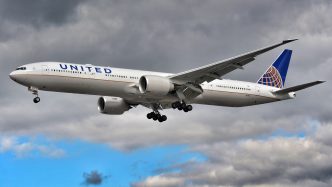
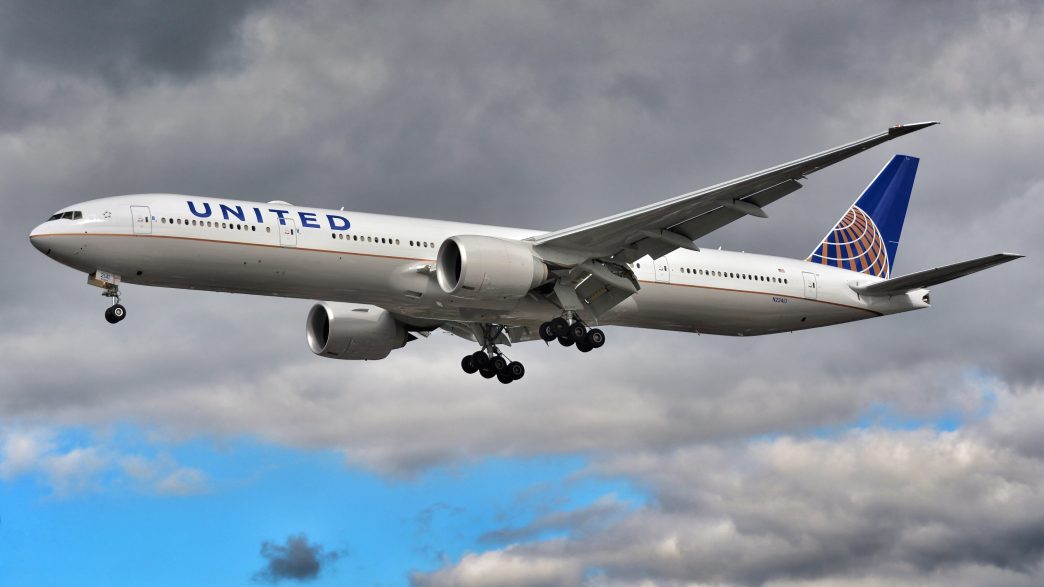
Specifically, information surfaced that United Airlines CEO Scott Kirby had raised the idea of a possible merger with American Airlines in discussions with senior U.S. officials. If such a deal were ever to be formally pursued and approved, it would create the largest airline in the world and dramatically reshape the competitive landscape of the U.S. aviation industry.
The Market Reacted, but the Deal Remained Unclear
The merger story quickly echoed on the market as well. After the report emerged, United shares jumped sharply, while American also posted gains. At the same time, it remained unclear whether this was a real exploration of a concrete deal or only an idea testing the political and business environment. 
American Rejected Both Talks and Interest
After the first wave of speculation, a clear response came from American Airlines. The company said it is not interested in a merger with United and that no such talks took place. In that message, American said such a deal would be bad for competition and consumers and would not fit with its understanding of how the current U.S. administration approaches antitrust enforcement.
O’Hare, Texas, and a Highly Concentrated Market
One of the main reasons the idea immediately drew scrutiny is the major overlap in the networks of the two carriers. That includes important points such as O’Hare in Chicago and major hubs in Texas. U.S. media sources have warned that a tie-up between two of the four largest carriers would face strong opposition from regulators, competition watchdogs, and part of the traveling public, mainly because of fears of less choice and higher fares. Experts also estimate that a combined airline would control more than a third of the U.S. market.
A Massive Deal With Small Odds of Approval
Analyses say such a move would be the biggest consolidation play in the industry in more than a decade. Still, because of regulatory scrutiny, political sensitivity, and concerns about damage to competition, the odds of this merger actually receiving approval currently look slim. For now, the whole story looks more like a trial balloon than a deal close to becoming reality.