




Dementia represents one of the greatest health and socioeconomic challenges of the modern age. Although it is often wrongly associated with “normal aging,” in medical practice it is defined as a syndrome. More precisely, it is a set of symptoms caused by progressive damage to brain cells, leading to the loss of cognitive functions and the ability to live independently.
According to data from the World Health Organization and relevant scientific sources, dementia today affects tens of millions of people worldwide, and the number of patients is rising as life expectancy increases.
Causes and Risk Factors
The most common cause of dementia is Alzheimer’s disease, which accounts for about 60–70% of all cases. It is characterized by the accumulation of pathological proteins in the brain, leading to the gradual destruction of neurons. Other important causes include vascular dementia, which develops as a result of blood vessel damage and strokes. Dementia with Lewy bodies is linked to deposits of alpha-synuclein, while frontotemporal dementia more often affects younger people and leads to changes in behavior and speech. 
The common mechanism of all forms of dementia is damage to and loss of brain cells, which leads to the gradual weakening of memory, judgment, orientation, and communication. It should again be emphasized that dementia is not one disease, but a syndrome with different causes.
Risk factors are divided into non-modifiable and modifiable ones. Age is the most important factor, while genetics has a limited influence. On the other hand, many risks depend on lifestyle: high blood pressure, diabetes, obesity, smoking, physical inactivity, depression, and social isolation. That is precisely why these factors are key to prevention, because they can be influenced.

Prevention: How Realistic Is It?
According to the 2024 Lancet Commission report, it is estimated that up to 45% of dementia cases can be prevented or at least delayed by controlling risk factors throughout life. This estimate is based on the analysis of long-term epidemiological studies and refers to the influence of several interconnected factors, not to one single measure.
Key preventive strategies include regular physical activity, which affects cardiovascular health and circulation in the brain, as well as a balanced diet such as the Mediterranean or MIND diet, both associated with a lower risk of cognitive decline. Special importance is given to the control of chronic diseases — above all hypertension, diabetes, and high cholesterol — because they directly affect the condition of blood vessels in the brain. In addition, maintaining mental activity (learning, reading, solving tasks) and social contacts is associated with a greater so-called cognitive reserve, meaning the brain’s ability to resist damage for a longer time.
Scientific consensus indicates that middle age, approximately between 40 and 65, is the period in which interventions have the greatest effect. The reason is that many pathological processes in the brain develop over years, even decades, before the first symptoms appear.
It is important, however, to emphasize that these measures do not represent a guarantee that dementia will be prevented. This is a statistically grounded estimate of risk reduction at the population level, not an individual outcome. Still, in the context of public health, these measures are considered the most effective approach to reducing the future burden of disease.
Consequences for the Individual and Society
Dementia is a progressive disease whose course unfolds through the gradual deterioration of cognitive and functional abilities. In the early stages, subtle symptoms dominate, such as problems with short-term memory, concentration, and organizing everyday activities. As the disease progresses, more pronounced disturbances appear — changes in behavior, difficulties in communication, loss of orientation in space and time, and the gradual loss of the ability to function independently, which in the later stages means total dependence on the care of others.
The average lifespan after diagnosis is between five and eight years, but this figure must be interpreted cautiously because it varies significantly depending on the type of dementia, the patient’s overall health, and the speed of disease progression.
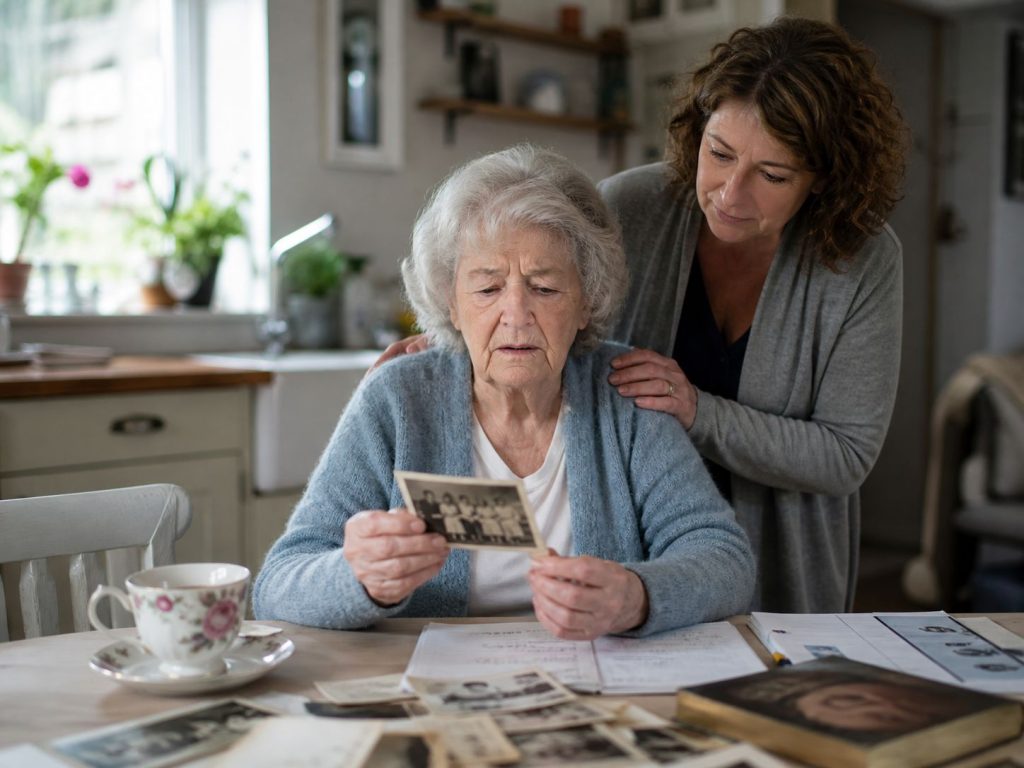
It should be emphasized that dementia is one of the leading causes of disability and dependence among older people and is ranked among the main causes of death worldwide. Its consequences, however, do not remain limited to the patient alone. The disease significantly burdens the family, both emotionally and economically. Most care takes place within the family, and according to available data, about 70% of that care is provided by women. This informal work often remains invisible in economic statistics, but it has direct consequences for the quality of life, employment, and financial stability of caregivers.
Treatment: Possibilities and Limitations
At present, there is no therapy that can completely cure dementia, which is a scientifically established fact based on clinical research to date. Treatment is therefore aimed at slowing the progression of the disease and alleviating symptoms, with the goal of preserving quality of life for as long as possible.
In clinical practice, cholinesterase inhibitors and memantine are most commonly used. These drugs act on neurotransmitter systems in the brain and can temporarily improve or stabilize cognitive functions in some patients. In recent years, new biological drugs have also been developed, namely monoclonal antibodies such as lecanemab and donanemab. Data from clinical studies suggest that in patients with early-stage Alzheimer’s disease, they may slow cognitive decline by around 25–35%. However, these results have clear limitations: the drugs do not stop the disease, their use is tied to the early stages, and availability varies significantly depending on the healthcare system and regulatory approvals.
Besides pharmacological therapy, increasing importance is given to interventions without the use of drugs. Cognitive stimulation, regular physical activity, music therapy, and organized social support show a positive impact on patients’ functioning and psychological state, although they do not directly affect the underlying course of the disease.
In this context, early detection of dementia remains a key factor. The earlier therapy and support are introduced, the greater the chances of slowing the progression of symptoms and prolonging the patient’s period of independence.
Economic Burden
Dementia is not only a health issue, but also a highly significant economic problem at the global level. According to the World Health Organization, the total annual costs of dementia reach about $1.3 trillion, placing this disease among the most expensive chronic disorders of modern society. These costs include direct medical expenses, long-term care, as well as indirect losses linked to reduced productivity of patients and their caregivers.
In the United States, the total economic burden is estimated at approximately $781 billion per year. A significant portion of these costs relates to long-term care, including institutional placement and home care, as well as the lost productivity of family members who take on the role of caregiver. It is particularly important to stress that about half of total costs stem from informal care — the unpaid work of family members and close persons — which, although often invisible in official economic flows, has significant real value.
In Serbia, precise and systematic data are limited, but available analyses indicate a similar pattern: families bear the largest part of the burden. The reason lies in insufficiently developed institutional long-term care services, such as specialized homes, дневни центри и организована кућна подршка, which additionally intensifies the financial and organizational pressure on households.
Photos: AI