

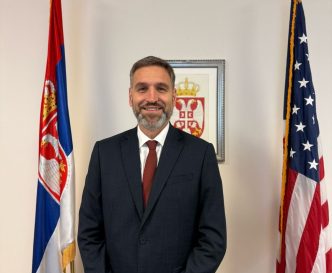
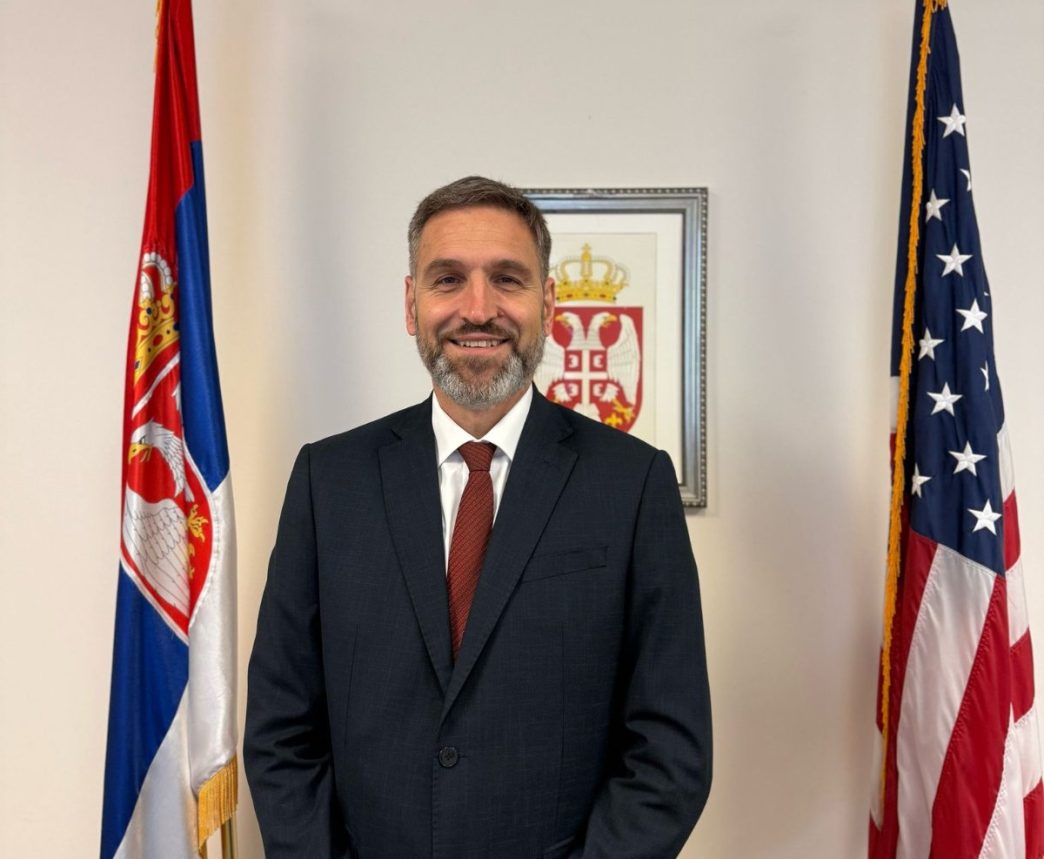
A little more than a year ago, Dr. Marko Nikolić took over as head of the Consulate General of the Republic of Serbia in Chicago.
His appointment as Consul General brought new energy to Serbia’s relationship with Serbian emigrants living in the United States. This is especially true for the area covered by the Consulate General of the Republic of Serbia in Chicago, stretching from the Midwest to the Pacific Coast.
In an extensive interview for our portal, Dr. Nikolić reflected on the period from his arrival as Consul General until today, the activities of the Consulate, new initiatives, and the challenges facing our consular mission. In addition, the Consul General addressed recent developments concerning arrests during ICE’s Midway Blitz operation in the Midwest region and how many of our citizens contacted the Consulate for assistance.
The First Year of the Mandate and Relations With the Community
How would you evaluate your first year in Chicago?
First of all, thank you for the initiative and the opportunity to meet and talk, and especially for the effort you make to provide timely and accurate information to the Serbian public here in the diaspora and in the homeland. I would first leave the answer to your question to our Serbs in America, but also to Americans, members of the Consular Corps, and all people of good will. I would also like to hear criticism, because its purpose is to make every person, and especially every public servant, better.
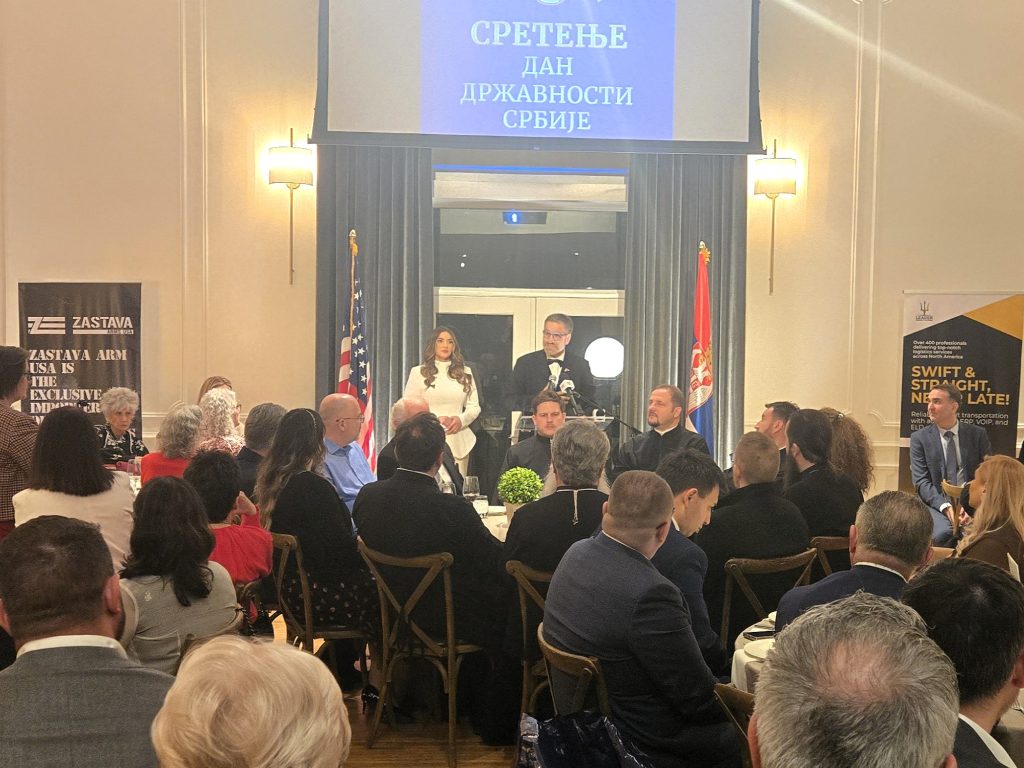
During the first year of my mandate, I made an effort to meet all our people, to be available to everyone as much as possible, and together determine what we can undertake in order to do something good and useful for our people in the diaspora, for our Homeland, the Republic of Serbia, and for this great country, the United States, into whose foundations generations of Serbs have built their lives and their bones.
What surprised or pleased you the most when you arrived in Chicago and met the local Serbian community?
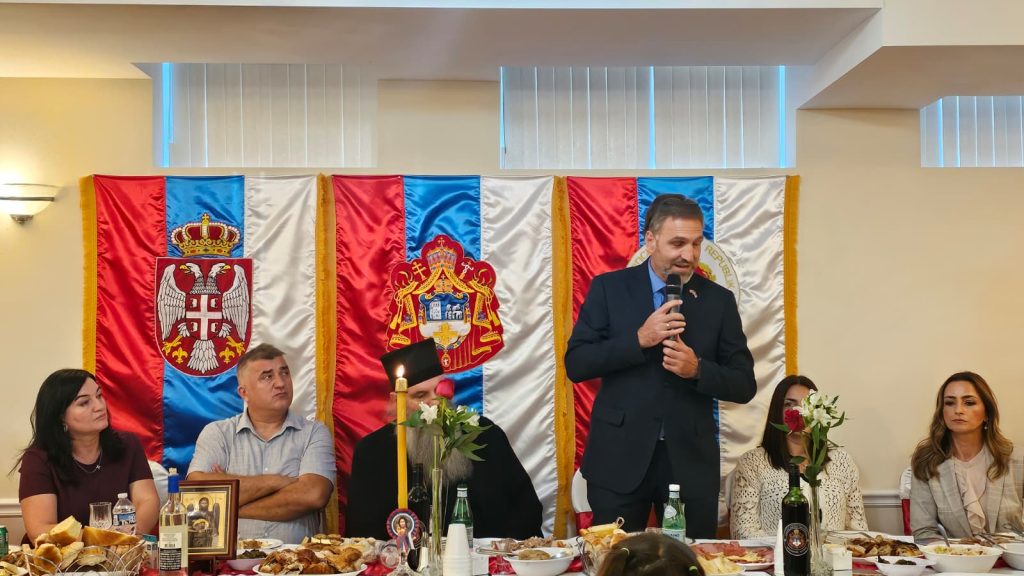
I was very impressed by the size of the Serbian community and the energy our people still possess in this part of the world, despite all problems. Their living connection and bond with the Homeland and their native region. There are almost daily national and cultural events and gatherings. There truly are multiple and multilayered potentials here for joint work and improving cooperation for the good of all. I sincerely thank all our people for the warm welcome and brotherly reception, which motivate and oblige me.
Consular Services, Citizenship, and ICE Arrest Cases
What are currently the biggest challenges facing Serbs in the consular area of Chicago (passports, ID cards, citizenship, civil registry records…)?
The consular area of the Consulate General of the Republic of Serbia in Chicago covers 28 U.S. states, from the Midwest to the Pacific. Serbian communities are present in many of them. Our people are most present in Illinois (Chicago), Wisconsin (Milwaukee), Indiana, Arizona, and California. These are also the places where gatherings of Serbs are most frequent. When it comes to citizenship, it is encouraging that interest remains high. In that sense, our people should know that the procedure for obtaining a Serbian passport has been significantly simplified and accelerated.
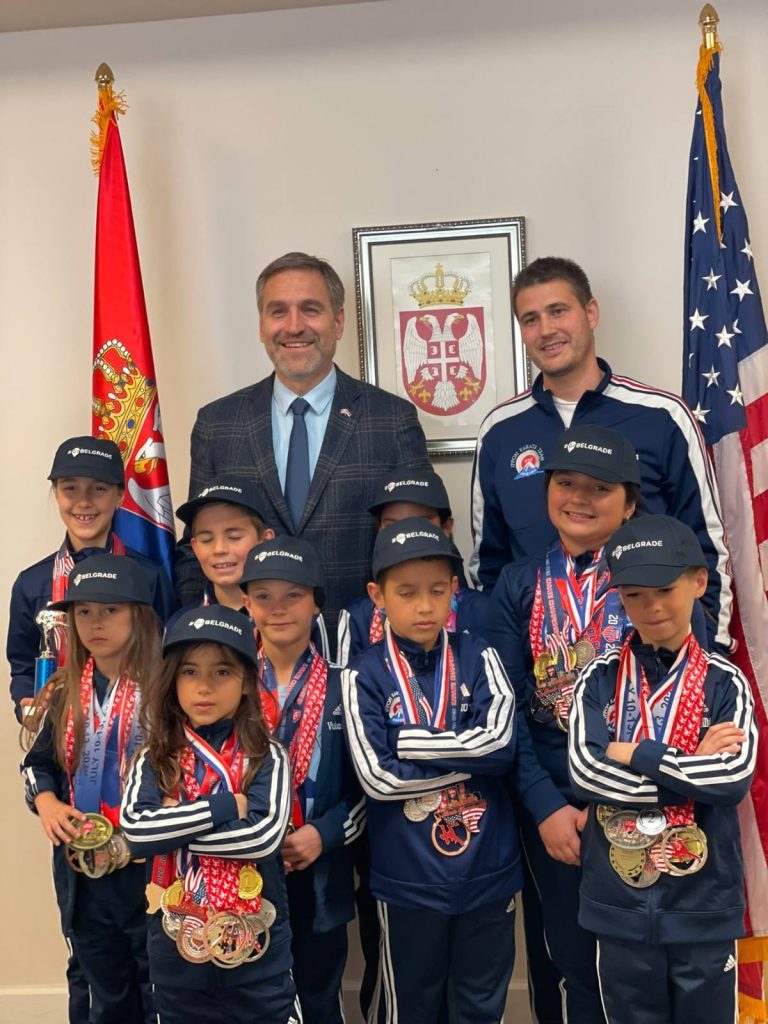
Through the Consulate website or by phone, everyone can be informed about which documents they need to obtain (birth certificate, marriage certificate, statement that they identify as members of the Serbian people, etc.) and bring them to a scheduled appointment at the Consulate. At most two to three months later, they will be informed of admission to citizenship, and then of the date when they can collect their Serbian passport in Chicago. Practice so far has shown that only goodwill is needed for our people to contact us and start the procedure.
Mobile Biometric Equipment Coming Soon
On the other hand, fully understanding the extremely fast pace of life and the unavoidable business obligations of our many emigrants, delays in applications and document completion for citizenship most often result in waiting for several years. And we are all aware of the fact that possessing the citizenship of one’s homeland is not only a source of emotional comfort and satisfaction for people living far from their birthplace, but also brings numerous concrete benefits. I therefore use this opportunity once again to call on all our people who do not have Serbian citizenship to contact us and begin the procedure to obtain it.
The provision of other consular services to our citizens at the Consulate continues with the same intensity and efficiency, and they receive all necessary documentation in the shortest possible time. We are also expecting the announced mobile equipment for biometric data acquisition, which will allow us to visit our people in remote parts of America and complete numerous administrative procedures on site. This will additionally save them time and money.
During the 2025 ICE “Midway Blitz” operation, several Serbian citizens—mostly truck drivers—were arrested in the Midwest. How many contacted the Consulate?
In 2025, our citizens also faced the issue of announced arrests and deportations of illegal immigrants. In accordance with our competences and capabilities, and in constant contact with the competent American authorities, the Consulate General of the Republic of Serbia in Chicago sought information from all regional ICE offices about the quality of accommodation and treatment of all our arrested citizens, almost exclusively truck drivers, as well as about the legal grounds for arrest and the stages of ICE and criminal proceedings in which they were involved.
In the past year, a total of sixteen Serbian citizens reported their case to the Consulate, and we were in direct and constant contact with all of them. Their treatment in detention units, in ICE detention facilities across the United States where there was room at the time of arrest, was satisfactory and in accordance with rules and procedures.
Fortunately, according to the information we have, almost all of them have already returned to our country. On the other hand, in accordance with personal choice and right, some of the arrested Serbian citizens did not report their case to the Consulate at all. Since we also had several arrest cases in 2026, it is most important that all our citizens understand that the only clear and permanent basis for legal residence in the United States is U.S. citizenship and possession of a Green Card, and not any type of visa or work permit by itself without them.
In that sense, I most well-intentionedly appeal for the responsible behavior of our compatriots, so that they and their families do not go through arrests and other unpleasant experiences.
Cooperation with the diaspora, the Serbian Orthodox Church, and the community
How do you see the role of the Consulate General in connecting the Serbian diaspora in Illinois, Indiana, Wisconsin, and the surrounding area with the homeland?
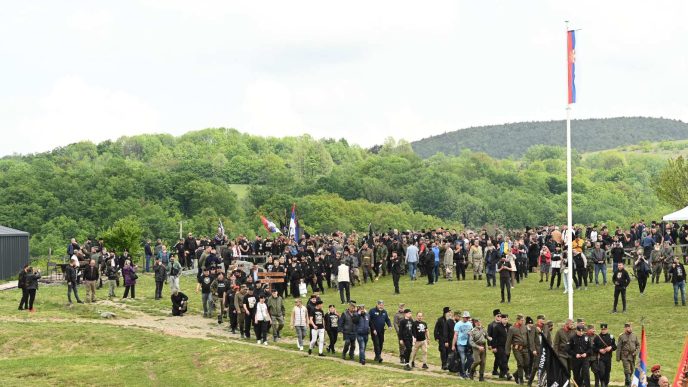
I had the opportunity and honor to visit the mentioned states, where, along with Arizona and California, the largest number of Serbian emigrants is concentrated, during 2025. Our church municipalities and cultural organizations, including schools and sports associations, are very numerous and active there. Alongside the Midwestern-American and Chicago Metropolitanate of the Serbian Orthodox Church, the Consulate General of the Republic of Serbia in Chicago represents the most important living institutional link between Serbian emigrants and the homeland.
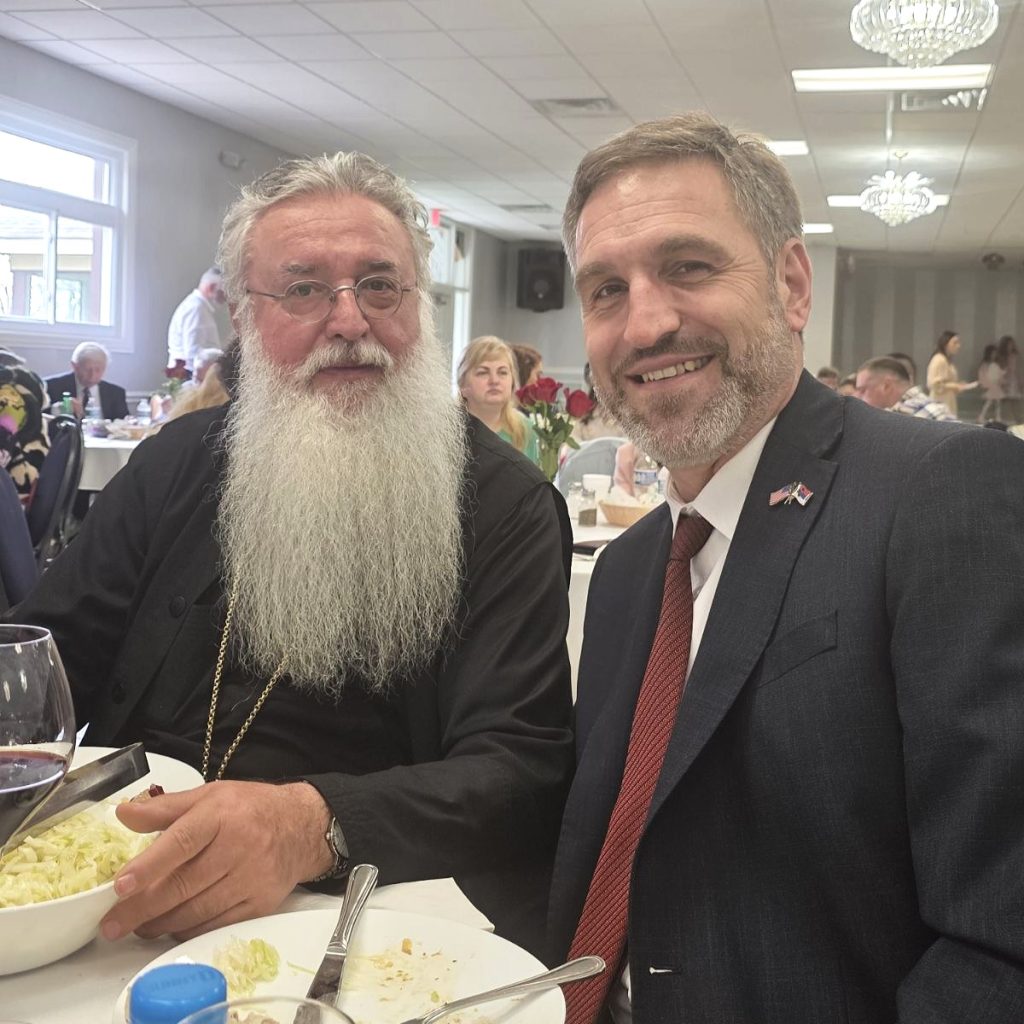
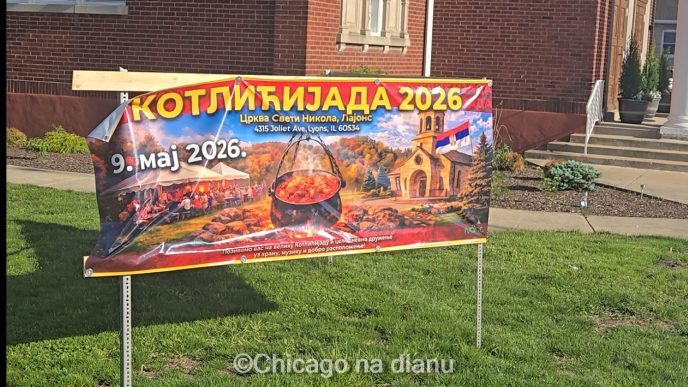
With colleagues from the Consulate, from May to December last year, I had nearly 150 meetings, encounters, and visits to parishes and monasteries of the Serbian Orthodox Church, Serbian schools, Serbian associations, local Serbian media, cultural and sports organizations, and successful business people. Through its competent institutions, the Republic of Serbia, in accordance with its authority and possibilities, continuously financially supports and assists the life and work of numerous Serbian emigrant entities in the United States, as well as those in Europe, Australia, and wherever the Serbian people live.
Which activities of the Consulate are dearest to you and where do you invest the most effort (cultural manifestations, holiday celebrations, work with churches, schools…)?
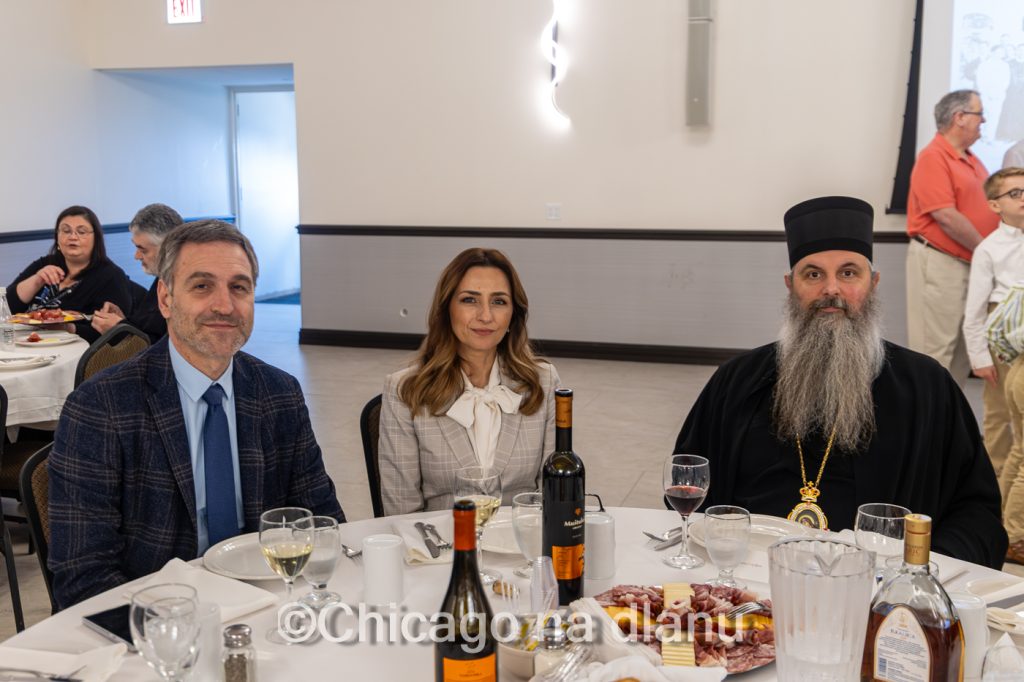
The responsibilities of the Consulate, and especially of my humble self, include cooperation with members of the Serbian “diaspora” — I personally feel the term “emigrants” is closer and warmer — in the cultural field (the Serbian Orthodox Church, education, science, art, music, sport, etc.) and in the economic sphere (with our business community, American companies, and the homeland). Our activities in both are numerous and multilayered.
The Serbian community in Chicago is very active (churches, clubs, folklore, economy). How does the Consulate cooperate with them and where do you see room for even better cooperation?
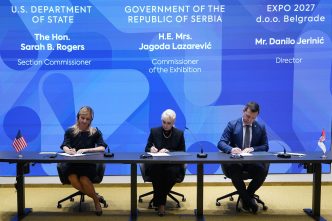
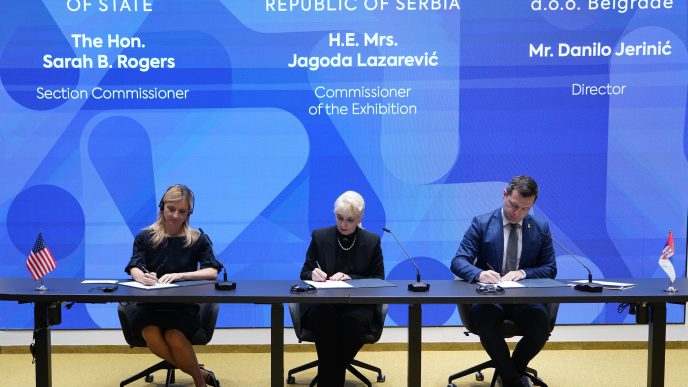
We continuously attend all events of the Serbian community in our consular area, and we have good cooperation with almost all of its entities. The results will show what, where, and when needs improvement. From this perspective, I would like to remind all our people in culture and business that the renowned world exhibition EXPO will be held in Serbia from mid-May to mid-August 2027. Participation has already been confirmed by 139 countries. It undoubtedly represents a global opportunity to promote products, services, and competitiveness.
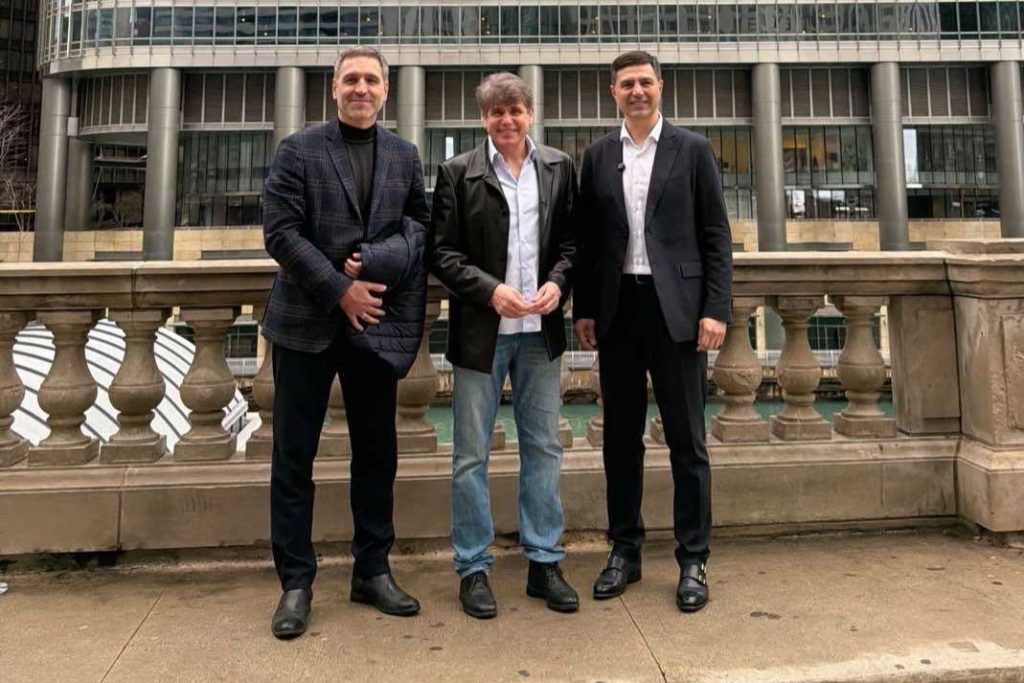
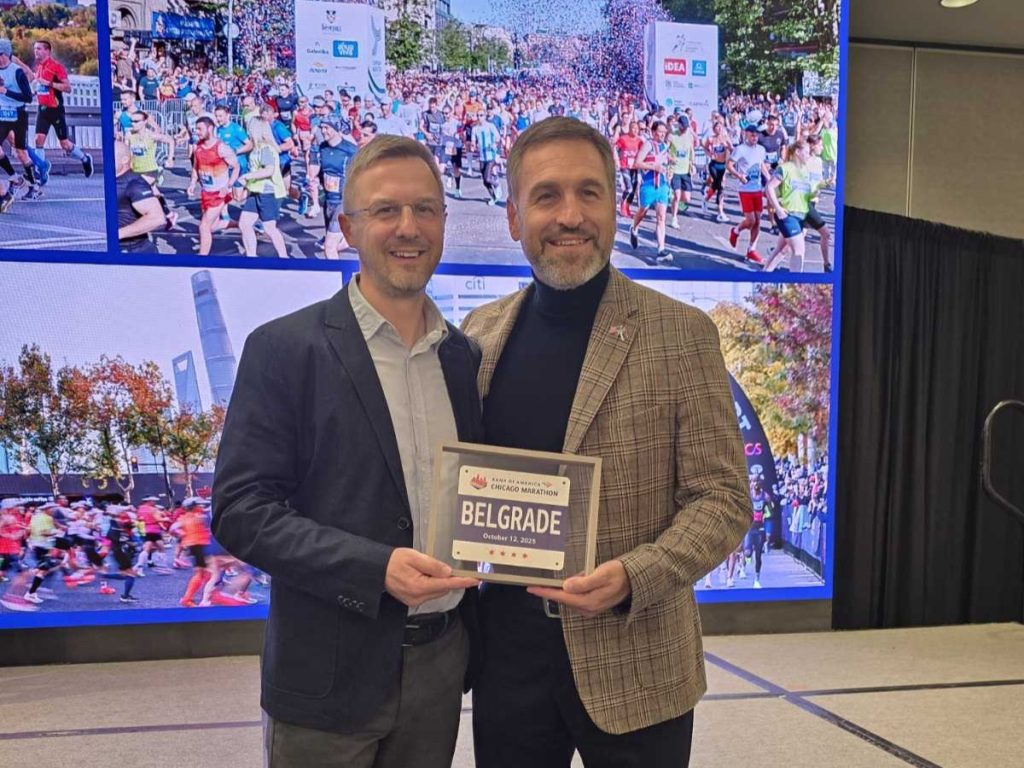
Also, in the context of the 2026 FIFA World Cup in the United States and Canada and the 2028 Olympic Games in Los Angeles, I think all of us should become more active in improving sports cooperation. The most important thing is to keep meeting and exchanging ideas, proposals, and initiatives, with the goal of preserving and promoting our Serbian identity in the broadest sense, while constantly strengthening ties between our emigrants and the homeland. I am convinced that in such circumstances we can realize numerous important initiatives and projects.
Future plans, business ties, and messages for the young generation
Do you plan any new initiatives or events that you would like to present to Serbs in Chicago?
Do you plan any new initiatives or events that you would like to present to Serbs in Chicago?
I believe that at this moment, for symbolic and practical reasons, the most important thing is to complete during the summer of 2026 the renovation and construction of the Serbian Orthodox Church Spiritual Center “Saint Mardarije of Libertyville” at our monastery of the same name near Chicago. Its capacities will enable Serbs from the diaspora and the homeland to gather there continuously and for different occasions in the best possible conditions.
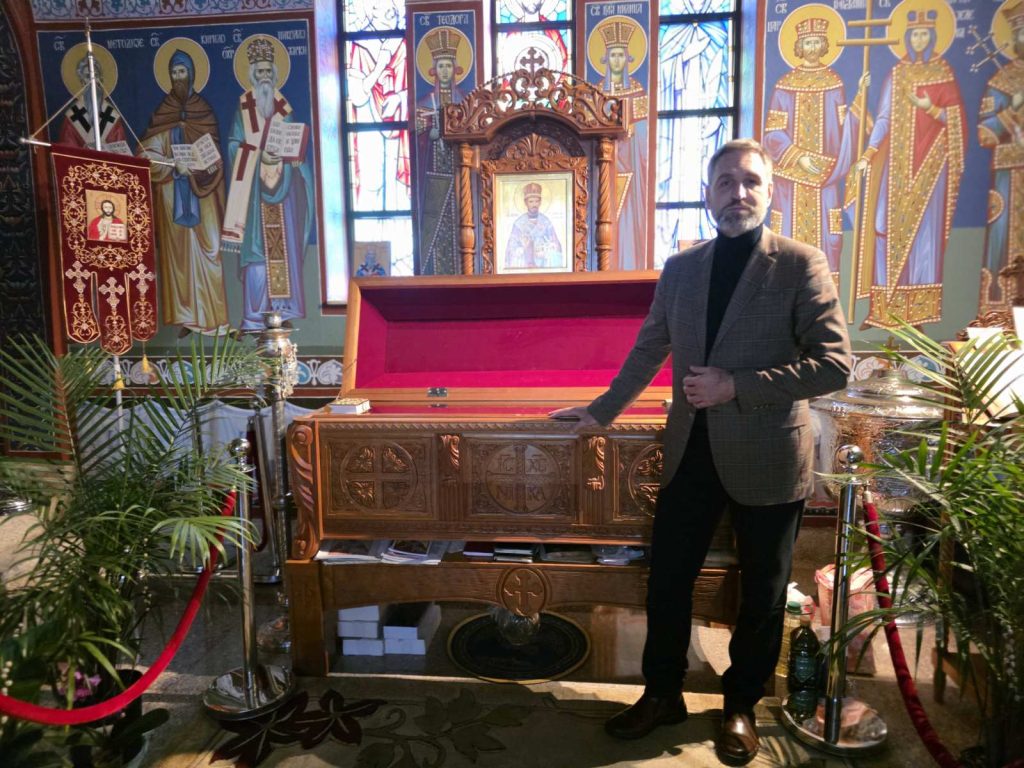
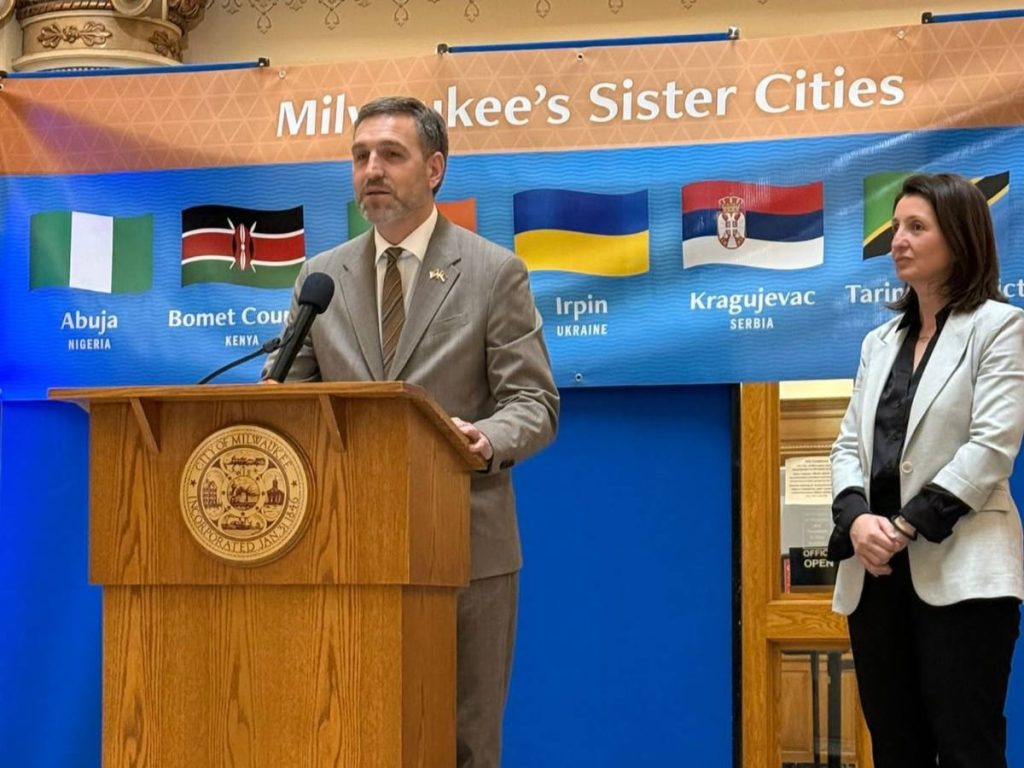
We have also taken steps toward revitalizing existing and establishing new institutional ties between certain sister cities from Serbia and the United States. Finally, we have also engaged in gathering members of the Serbian scientific, sports, and cultural community from this area and strengthening their ties with the homeland.
How does the Consulate help Serbian businesspeople and potential investors from America who want to work with Serbia?
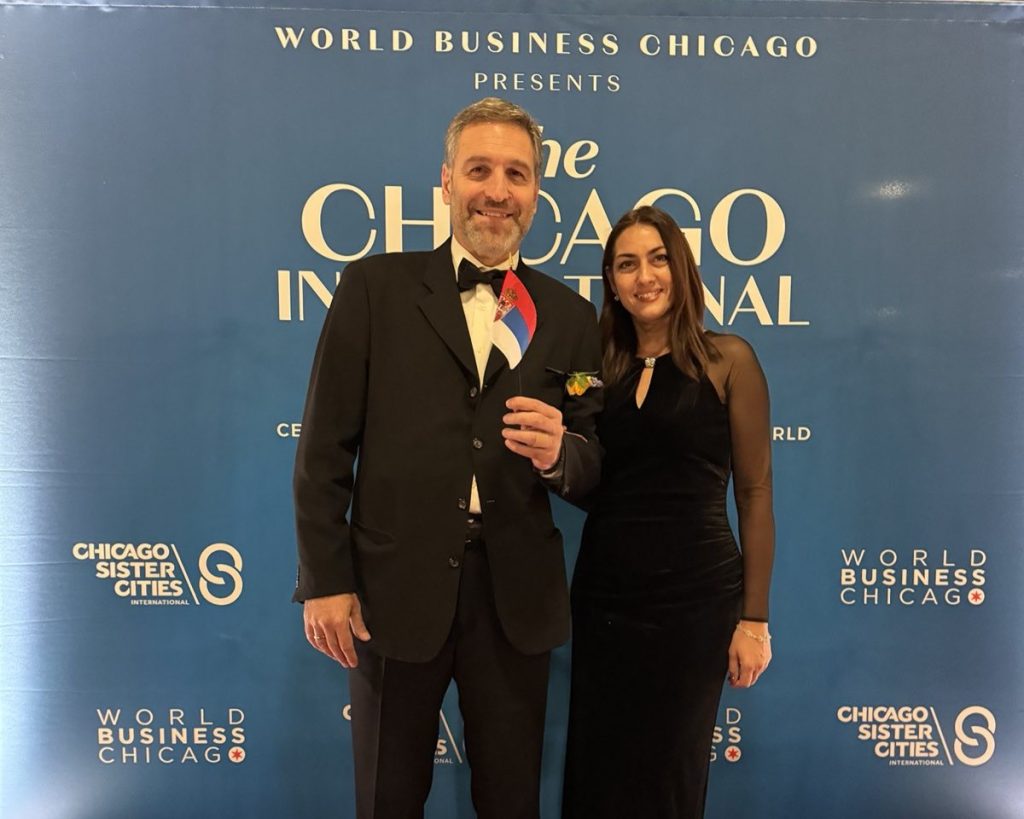
First of all, we have already delivered to all of them a presentation of the EXPO Serbia 2027 project, together with all of its capacities. Also, with interested Serbian entrepreneurs, I personally attend events organized by World Business Chicago, the Illinois Chamber of Commerce, and the Illinois Economic Development Corporation, where they have a direct opportunity to discuss future joint business steps with American colleagues.
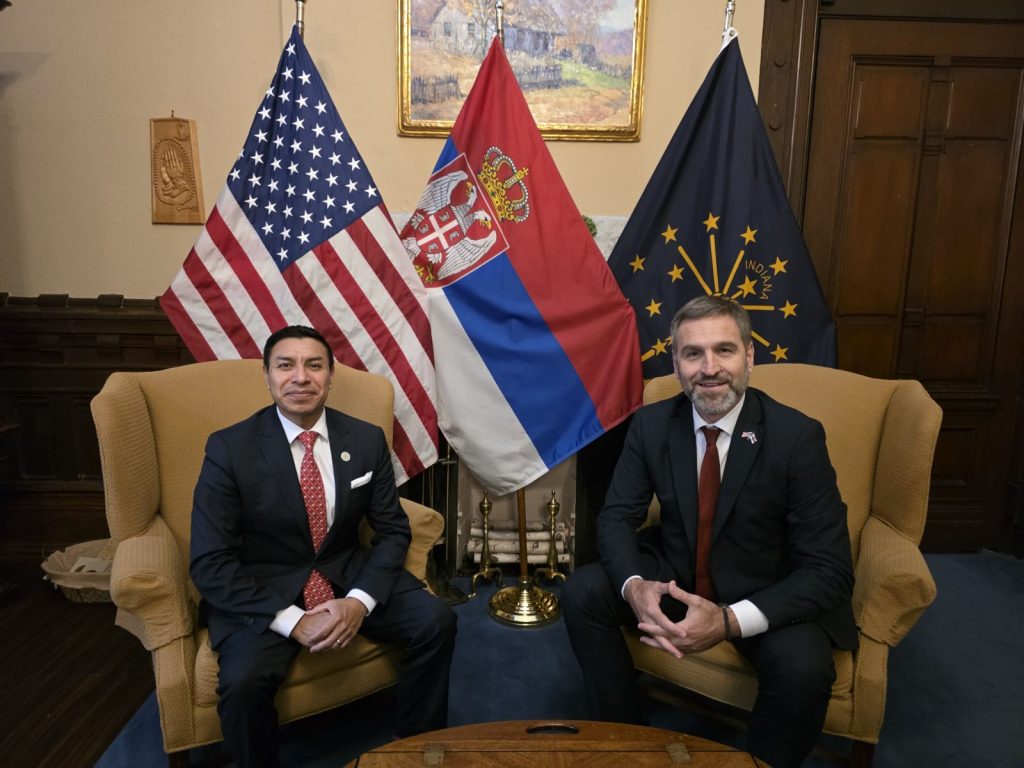
Finally, I informed almost all members of the Consular Corps in Chicago — representatives of other states, consuls general, honorary consuls, consuls, and vice consuls in charge of economic cooperation — about initiatives of Serbian entrepreneurs and the economic conditions and opportunities for doing business in our homeland. There are nearly 90 of them.
Do you have a message for young Serbs born in America who are thinking about studying, working, or returning to Serbia?
The Republic of Serbia is their and our common home, always eagerly awaiting them, with its doors always open. According to the most important economic indicators, opportunities and living and working conditions in our homeland are steadily improving. Many educated and qualified people have already returned. Our young people here should think carefully and see how and where they can best continue their education and professional development in the chosen field and job. They should strive above all to become as good as possible in it. If they succeed in that way, then when the time comes, they will best serve themselves, their loved ones, and their people and state. And they should never forget that their knowledge and experience, regardless of circumstances, should always be gifted, transferred, and applied in their Homeland as well..
In your opinion, how important is the diaspora for Serbia’s economic development today?
The entire world is facing deep identity, political, and economic challenges. Serbia’s greatest resource is its people, no matter where they live. The contribution of Serbian emigrants to Serbia’s economic development is significant, but desired results cannot be achieved without mutual support between the homeland and the diaspora. Serbia cannot develop without its emigrants, and emigrants cannot strengthen their communities abroad without support from Serbia.
The economic influence and contribution of Serbian emigrants to the development of the homeland has great and pronounced significance, but the desired results cannot be fully achieved without the homeland’s support for emigrants. So in this case too, there is no development of Serbia without the support of its emigrants, but neither can our emigrants strengthen their position and community in other states without the support of the homeland.
What would you say to the younger generation of Serbs in the diaspora about preserving identity, language, and ties with Serbia in the 21st century?
First of all, they should preserve awareness and educate themselves about their Serbian origin and identity — faith, culture, education, sport, music, and more — and proudly nurture and promote them. Serbian identity is what is authentic and original in all of us, and what the countries in which younger generations of Serbian emigrants live do not have unless they receive it from them.
Our young people should visit Serbian churches and monasteries, gather in our associations and organizations so that they do not disappear, visit their homeland and native region as often as possible and “recharge their batteries” there, speak Serbian at home and teach their children the Serbian language and Cyrillic script, and always feel free to share their ideas and projects with the homeland. Its institutions will do everything they can to help the younger generations of our emigrants and create conditions for them to realize their dreams in Serbia as well.
What has been the most beautiful moment for you so far in your new duty in Chicago? (for example, a holiday celebration, meeting people, etc.)
The most beautiful moments during my first year of mandate were in the “Saint Sava” schools in Redwood near Chicago and in Milwaukee, when during my visit I was welcomed by more than 100 children together with priests of the Serbian Orthodox Church and teachers, singing the Serbian anthem “Bože pravde.”
Do you have a personal message or wish you would like to send to Serbs in Chicago and the surrounding area?
To my brothers and sisters, I wish good health and success in life and work, for the good of their families and all neighbors with whom they live. You are always all welcome in our small shared house — the Consulate General of the Republic of Serbia in Chicago.
Biography
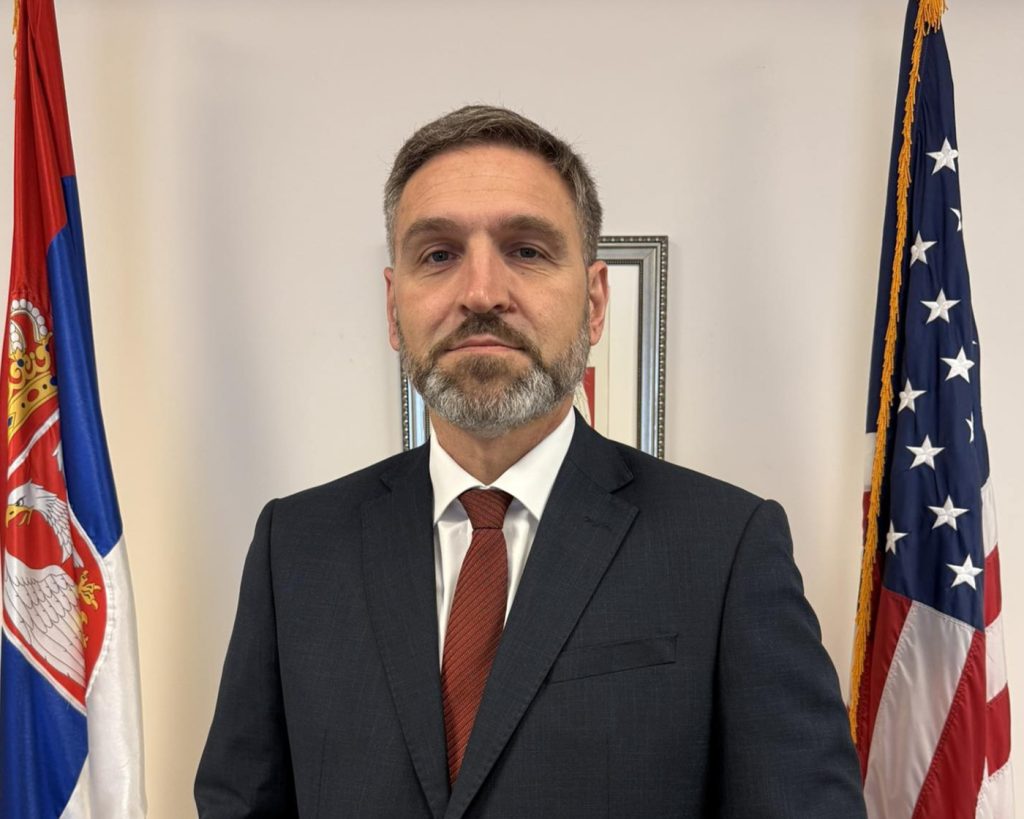
Dr. Marko Nikolić was born in Belgrade. He completed his undergraduate and doctoral studies at the Faculty of Philosophy of the University of Belgrade, at the Department of Sociology of Religion. The topic of his doctoral dissertation was the relationship between the Serbian Orthodox Church and the Roman Catholic Church after the Second Vatican Council. He also completed graduate studies in Rome and graduated from the Faculty of Political Sciences in Belgrade, majoring in International Relations.
Before coming to Chicago, he served in the Office for Cooperation with Churches and Religious Communities and in the Ministry of Justice of the Republic of Serbia.
He has participated in the work of numerous interdepartmental teams and working groups, and is the author of two books and more than 30 scientific papers and articles.
Photos: Private archive, Milan Brašanac