

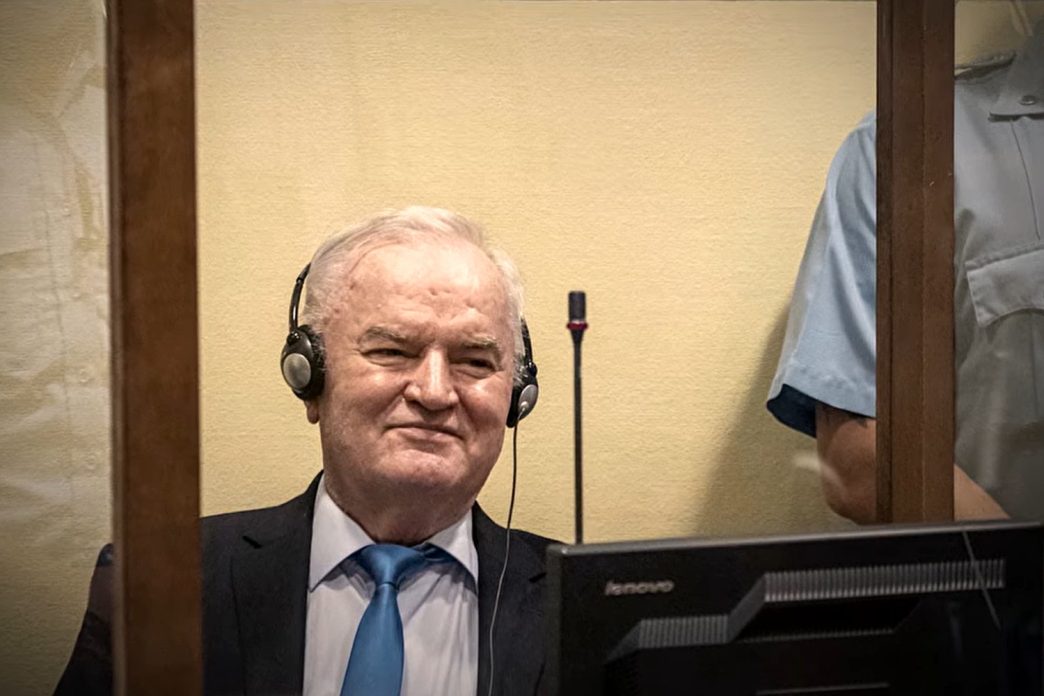
Ratko Mladić, the former commander of the Main Staff of the Army of Republika Srpska, died in The Hague on August 27 after a long and serious illness. His health had deteriorated significantly in recent years, while his family repeatedly sought permission for him to receive medical treatment in Serbia.
Mladić suffered multiple strokes in the later years of his life, and his condition worsened further during his final weeks. His family sought permission for him to spend his remaining days outside the detention unit, but requests for his release and medical treatment in Serbia were not granted.
Final Appeals for His Return to Serbia
Only days before his death, new appeals were made for Mladić to be allowed to spend the final period of his life in Serbia. Serbian President Aleksandar Vučić publicly called on August 18 for his return, saying the issue was one of humane treatment for a man nearing the end of his life, regardless of views about the Hague judgments.
Justice Minister Nenad Vujić sent another letter on August 24 to Graciela Gatti Santana, president of the International Residual Mechanism for Criminal Tribunals, requesting urgent consideration of a new application. Serbia offered medical treatment, institutional supervision and palliative care, but the effort did not result in Mladić’s return.
His son, Darko Mladić, had previously said the family suspected that his father suffered another stroke and that his health had deteriorated significantly.
From Yugoslav Army Officer to Bosnian Serb Military Commander
Ratko Mladić was born on March 12, 1943, in Božanovići near Kalinovik. He received his military education in Zemun and at the Military Academy and began his career as an officer in Skopje in 1965. Over the following decades, he held a series of command positions throughout the former Yugoslavia.
In the early 1990s, he served in Priština and Knin before being transferred to Sarajevo. On May 12, 1992, the National Assembly of Republika Srpska appointed him commander of the Main Staff of the Army of Republika Srpska. He remained at the head of the force until 1996.
During the war in Bosnia and Herzegovina, Mladić commanded numerous military operations, and his name became closely associated with the wartime history of Republika Srpska.
Arrest, The Hague and a Life Sentence
The Hague prosecution indicted Mladić in 1995. After years in hiding, he was arrested on May 26, 2011, in Lazarevo near Zrenjanin and subsequently transferred to The Hague.
He was sentenced to life imprisonment by the Hague Tribunal, and the judgment was later upheld. Mladić continued to reject responsibility during the proceedings.
He spent the final 15 years of his life in The Hague. As the years passed, his health deteriorated, while his family and defense repeatedly sought permission for medical treatment or release on humanitarian grounds.
Those final efforts did not result in his return. Ratko Mladić died in The Hague, where he had spent the final years of his life.
Ratko Mladić, the former commander of the Main Staff of the Army of Republika Srpska, died in The Hague on August 27 after a long and serious illness. His health had deteriorated significantly in recent years, while his family repeatedly sought permission for him to receive medical treatment in Serbia.
Mladić suffered multiple strokes in the later years of his life, and his condition worsened further during his final weeks. His family sought permission for him to spend his remaining days outside the detention unit, but requests for his release and medical treatment in Serbia were not granted.
Final Appeals for His Return to Serbia
Only days before his death, new appeals were made for Mladić to be allowed to spend the final period of his life in Serbia. Serbian President Aleksandar Vučić publicly called on August 18 for his return, saying the issue was one of humane treatment for a man nearing the end of his life, regardless of views about the Hague judgments.
Justice Minister Nenad Vujić sent another letter on August 24 to Graciela Gatti Santana, president of the International Residual Mechanism for Criminal Tribunals, requesting urgent consideration of a new application. Serbia offered medical treatment, institutional supervision and palliative care, but the effort did not result in Mladić’s return.
His son, Darko Mladić, had previously said the family suspected that his father suffered another stroke and that his health had deteriorated significantly.
From Yugoslav Army Officer to Bosnian Serb Military Commander
Ratko Mladić was born on March 12, 1943, in Božanovići near Kalinovik. He received his military education in Zemun and at the Military Academy and began his career as an officer in Skopje in 1965. Over the following decades, he held a series of command positions throughout the former Yugoslavia.
In the early 1990s, he served in Priština and Knin before being transferred to Sarajevo. On May 12, 1992, the National Assembly of Republika Srpska appointed him commander of the Main Staff of the Army of Republika Srpska. He remained at the head of the force until 1996.
During the war in Bosnia and Herzegovina, Mladić commanded numerous military operations, and his name became closely associated with the wartime history of Republika Srpska.
Arrest, The Hague and a Life Sentence
The Hague prosecution indicted Mladić in 1995. After years in hiding, he was arrested on May 26, 2011, in Lazarevo near Zrenjanin and subsequently transferred to The Hague.
He was sentenced to life imprisonment by the Hague Tribunal, and the judgment was later upheld. Mladić continued to reject responsibility during the proceedings.
He spent the final 15 years of his life in The Hague. As the years passed, his health deteriorated, while his family and defense repeatedly sought permission for medical treatment or release on humanitarian grounds.
Those final efforts did not result in his return. Ratko Mladić died in The Hague, where he had spent the final years of his life.
One of the Most Controversial Figures of the 1990s Wars
Mladić’s death is likely to reopen differing interpretations of his military, political, and historical legacy. For the majority of the Serbian public, particularly in Republika Srpska, he remained a symbol of the Army of Republika Srpska and one of its most recognizable wartime commanders. At the same time, he was ultimately sentenced to life imprisonment by an international tribunal.
The final period of his life was marked by serious illness and repeated requests from his family for him to be allowed to receive medical treatment in Serbia. He never returned.