

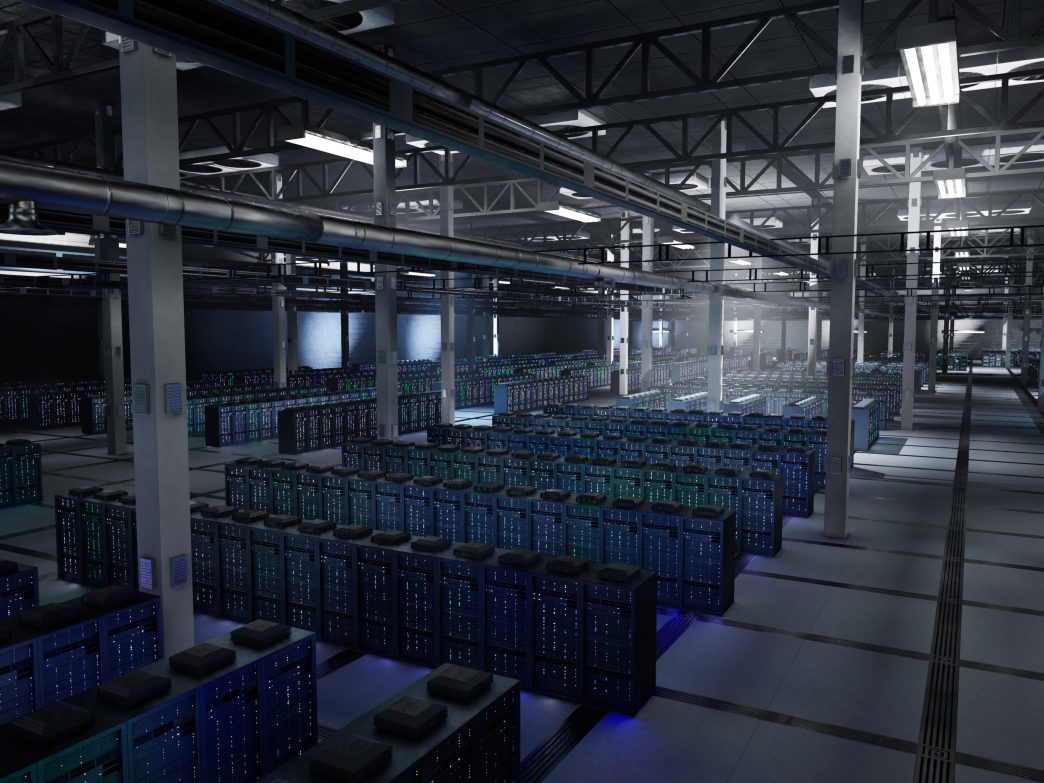
For years, Illinois has actively courted data center developers, offering generous tax incentives and promoting the state as a prime destination for digital infrastructure. That strategy helped attract billions of dollars in investment and positioned the Chicago region as one of the fastest-growing data center hubs in the United States.
Now, however, Illinois finds itself at the center of a growing debate. As artificial intelligence drives unprecedented demand for computing power, concerns about electricity consumption, water use, and rising utility bills are forcing policymakers to reconsider how far the state should go in supporting the industry.
The issue has emerged as one of the most significant local policy debates of 2026, pitting economic development against environmental sustainability and consumer protection.
A Major Policy Shift From Governor Pritzker
The most significant development came in early June when Governor JB Pritzker announced a two-year suspension of tax incentives for new data centers beginning July 1, 2026.
The decision surprised many observers. Pritzker had previously been one of the industry’s strongest supporters, helping attract large-scale technology investments throughout Illinois. His move signals a growing recognition that rapid data center expansion may come with costs that extend far beyond economic growth.
The governor’s decision effectively raises the bar for future projects while lawmakers, industry leaders, environmental groups, and local communities negotiate what the next phase of Illinois data center policy should look like.
Meanwhile, the proposed POWER Act failed to pass during the spring legislative session, but few observers believe the debate is over. Most stakeholders expect negotiations to resume when lawmakers return in the fall.
Why Data Centers Have Become Such a Big Issue
The rapid rise of artificial intelligence has dramatically increased demand for data storage and computing capacity.
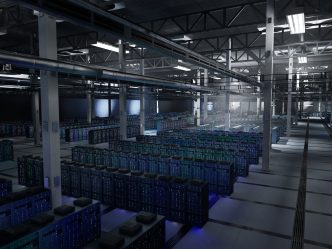
Data centers, massive facilities filled with servers that power cloud computing, AI systems, streaming services, and much of the modern internet are expanding at an unprecedented pace. Nationally, data centers accounted for roughly 2 percent of U.S. electricity consumption just a few years ago. That figure has already surpassed 4 percent, with some forecasts suggesting it could reach 12 percent by 2028.
Illinois has become a major player in this growth. Depending on the source, the state is home to between 222 and 244 data centers, with numerous additional projects planned or under construction.
Supporters argue that Illinois has an opportunity to become one of the nation’s leading AI and digital infrastructure hubs. Critics counter that the state risks creating long-term environmental and energy challenges that residents will ultimately pay for.
The Economic Case for Growth
Few dispute the industry’s economic impact.
Data centers have attracted approximately $16 billion in investment to Illinois over the past several years. Construction projects have generated jobs, increased local tax revenue, and helped position the state as a strategic technology center in the Midwest.
Industry groups such as the Data Center Coalition and the Illinois Chamber of Commerce argue that demand for digital infrastructure is unavoidable. They point to projections showing that data demand over the next five years could exceed growth seen during the previous decade.
Supporters also emphasize that data centers play a critical role in supporting AI development, cloud computing, and the broader digital economy. Without continued expansion, they argue, Illinois risks losing investment to competing states.
However, even many supporters acknowledge that the number of permanent jobs created by data centers is often smaller than public perception suggests. Most employment opportunities occur during construction, with relatively limited staffing needs once facilities become operational.
Rising Concerns Over Electricity Costs
The most politically sensitive issue may be electricity.
Energy analysts project that data centers could account for between 64 and 72 percent of Illinois’ total growth in electricity demand by 2030. As AI-driven computing expands, utilities may need to build additional generation capacity and transmission infrastructure.
Consumer advocates argue that those costs could ultimately be passed on to ordinary ratepayers.
According to the PJM Independent Market Monitor, roughly 70 percent, or approximately $9.3 billion, of increased capacity costs in the 2025–2026 period were linked to growing demand from data centers. The Union of Concerned Scientists estimates that data centers could add between $24 billion and $37 billion to Illinois electricity system costs by 2050.
Citizens Utility Board has warned that, without additional safeguards, average households could eventually face significantly higher monthly electric bills. Some reports suggest that customers in ComEd territory have already experienced dramatic increases in electricity costs over the past five years.
At the center of the debate is a simple question: who should pay for the infrastructure required to support the industry’s explosive growth?
Water Use and Environmental Concerns
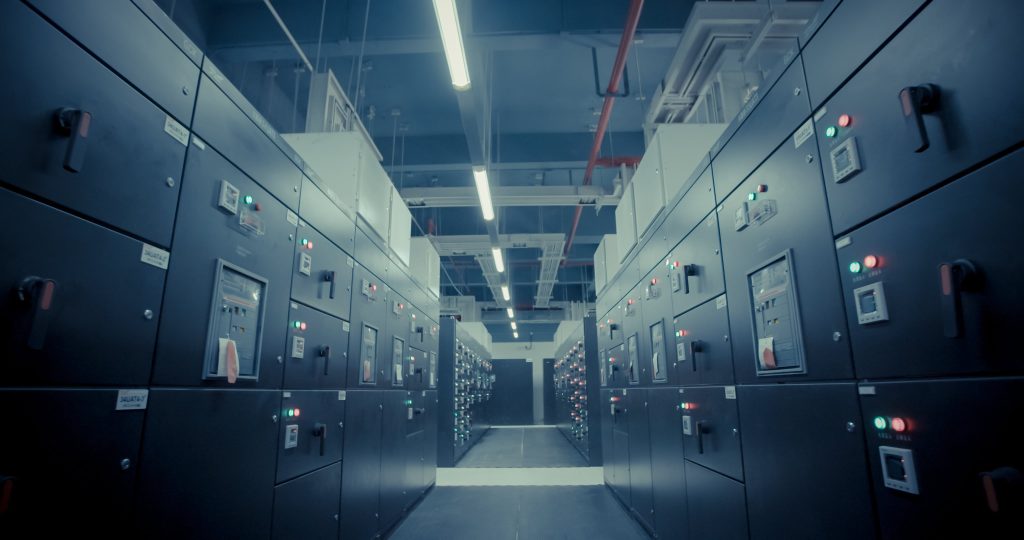
Electricity is only part of the story.
Large hyperscale data centers rely on extensive cooling systems, and some facilities can consume as much as five million gallons of water per day.
This has sparked concerns in several Illinois communities, including DeKalb, where Meta operates a major facility, as well as Grayslake, Joliet, and Yorkville, where additional projects are proposed or under development.
Environmental organizations argue that Illinois lacks sufficient transparency regarding water consumption. Currently, data centers are generally not required to publicly disclose detailed water-use data, making it difficult for residents to assess potential impacts on local resources.
Groups such as the Illinois Environmental Council and the Alliance for the Great Lakes have called for mandatory reporting requirements and stronger environmental oversight. They also want data center operators to develop new renewable energy sources rather than relying primarily on existing electrical infrastructure.
Critics also cite concerns about carbon emissions, local noise impacts, and the broader environmental footprint of large-scale facilities.
What the POWER Act Would Have Done
Although the POWER Act failed to pass, it remains the centerpiece of the current debate.
Introduced in February 2026 by Senator Ram Villivalam and Representative Robyn Gabel, the Protecting Our Water, Energy and Ratepayers Act sought to establish what supporters described as common-sense guardrails rather than an outright restriction on development.
Among its key provisions was the “Bring Your Own New Clean Energy” requirement, which would have required data centers to secure new renewable energy sources—such as solar, wind, or battery storage—to offset their growing electricity demand.
The legislation also proposed mandatory public reporting of water consumption, restrictions on shifting infrastructure costs to utility customers, energy-efficiency requirements, community benefit agreements with host municipalities, and annual contributions to programs designed to help residents manage energy costs.
Supporters viewed the bill as a way to ensure that data centers pay the full cost of their expansion. Opponents argued that the requirements would discourage investment and push projects to neighboring states.
Where Data Centers Are Expanding Around Chicago
While downtown Chicago remains an important technology hub, most major new developments are occurring in the suburbs, where land is more readily available and access to power infrastructure is easier.
Elk Grove Village has emerged as one of the region’s most significant clusters, hosting projects from T5 Data Centers, Stream Data Centers, Aligned, and QTS.
Northlake is home to major Microsoft and Aligned facilities, while Aurora hosts multiple CyrusOne operations. Additional large-scale developments are planned in Yorkville, including a proposed 600-megawatt CyrusOne campus.
New projects are also moving forward in Carol Stream and Chicago’s South Loop, where HydraVault plans to open a smaller AI-focused data center. Meanwhile, Meta’s facility in DeKalb continues to feature prominently in discussions about water consumption and environmental impacts.
Looking Ahead: Illinois Searches for a Middle Ground
Illinois is far from alone in confronting these questions.
Virginia, home to the world’s largest concentration of data centers, is increasingly facing resistance from local communities concerned about energy and water consumption. Texas, long known for its pro-development approach, has recently begun moving toward stricter oversight and new requirements for data center operators. Other fast-growing states such as Georgia and Arizona continue to emphasize economic growth while facing mounting environmental questions.
Illinois now finds itself somewhere in the middle.
Governor Pritzker’s suspension of tax incentives, combined with the failure of the POWER Act, has created a temporary pause rather than a final resolution. Industry groups, environmental organizations, labor unions, consumer advocates, and local governments all say they are prepared to continue negotiations.
The central challenge remains unchanged: how can Illinois continue attracting billions of dollars in investment without transferring the costs of that growth to residents and local communities?
That question is likely to dominate the state’s data center debate throughout the remainder of 2026 and beyond.
Photos: Gettyimages, Magnific, Pixabay