

Nine days after severe storms swept through the greater Chicago area and Northwest Indiana, tens of thousands of homes and businesses remain without power. Some schools are still closed, and repairs to the heavily damaged electrical grid could take several more days.
The storm that struck Northwest Indiana on August 11 brought winds of up to 99 mph. Trees and power lines were brought down, utility poles were damaged, and at one point more than 300,000 customers lost power.
According to the Northern Indiana Public Service Company (NIPSCO), power had been restored to more than 306,000 customers by August 20. However, approximately 68,000 customers were still without electricity. Gary is among the hardest-hit communities, and full restoration there may not be completed until August 25.
Hundreds of Utility Poles Need to Be Replaced
The extent of the damage is one of the main reasons restoration efforts are taking so long. In Gary alone, approximately 300 utility poles and 44 large transmission structures need to be replaced.
More than 600 workers are in the field, but in some parts of the city, the damage is too extensive for crews to simply repair individual outages and restore service. Entire sections of the electrical grid have to be rebuilt.
New outages have created additional problems. On Thursday, thousands of customers in Northwest Indiana lost power again, including some whose service had already been restored.
For residents who have spent more than a week without electricity, the prolonged outages have created mounting difficulties. Many have had to throw away food from refrigerators and freezers, while those who rely on electrically powered medical equipment face far more serious concerns.
Power Outages Force Schools to Close
The impact of the outages extends well beyond homes without lights or air conditioning. Schools in Gary have been closed since August 13, leaving the district, which serves approximately 4,300 students, unable to resume regular classes.
Other schools across Northwest Indiana have also been forced to delay the start of the school year because of power outages and concerns about the safety of school buildings.
The closures have created additional challenges for families, particularly working parents who need to find child care. Extended power outages also bring additional expenses, from buying prepared food and fuel for generators to replacing groceries that spoiled during the outage.
Emergency Declaration Issued for 15 Illinois Counties
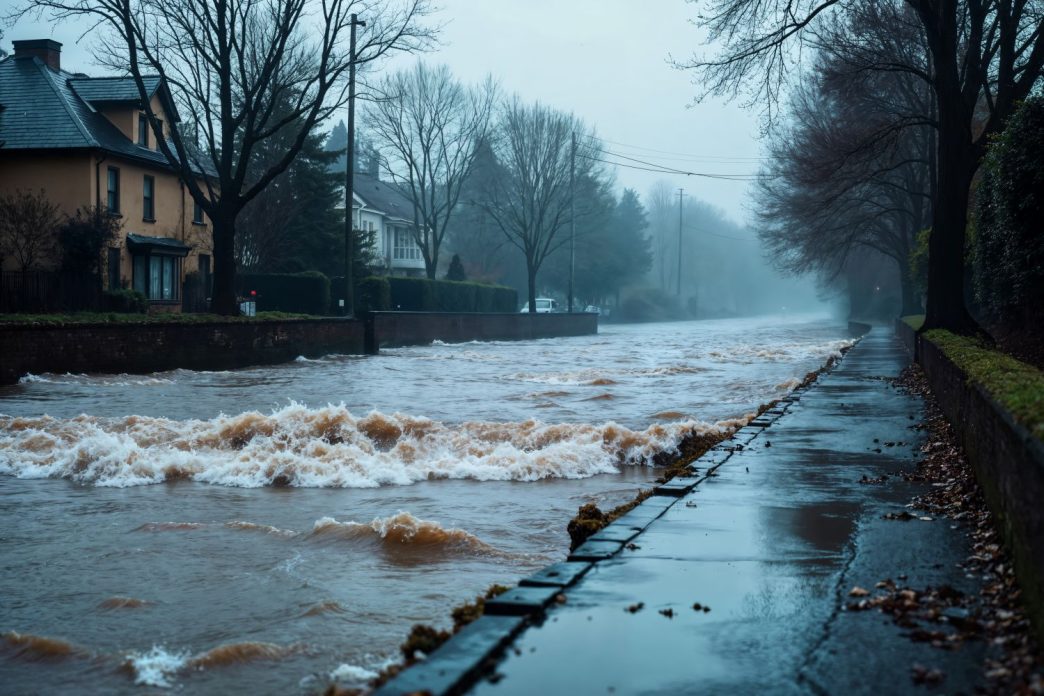
Severe weather in July and August has also caused widespread damage on the Illinois side of the state line. On August 18, Illinois Governor JB Pritzker issued a disaster proclamation covering 15 counties affected by heavy rain, flooding, damaging winds and tornadoes.
The declaration allows state agencies to mobilize resources more quickly and assist local governments with storm recovery. The affected areas include parts of northeastern Illinois and the greater Chicago region.
On August 20, the state also announced tax relief for individuals and businesses in the 15 affected counties. Penalties and interest on certain late tax filings and payments will be waived for those who qualify for the relief.
Illinois Has Already Recorded a Record Number of Tornadoes This Year
The latest round of severe weather is far from an isolated event. According to state officials, the National Weather Service (NWS) has confirmed approximately 204 tornadoes in Illinois so far in 2026. Based on current figures, Illinois has recorded more tornadoes this year than any other state in the country.
For residents across the greater Chicago area, the effects of the recent storms are far from over. While Illinois continues to assess damage and provide assistance to affected communities, just a few dozen miles from Chicago, thousands of families in Northwest Indiana are still waiting for power to return and daily life to get back to normal.
Sources: AP, ABC7 Photo: Magnific/AI